The allure of risk and reward
The psychology behind gambling is deeply rooted in the human attraction to risk and reward. People are often drawn to the thrill of uncertainty, where the possibility of winning can trigger an adrenaline rush. This sensation can make the experience feel exhilarating, leading individuals to invest more time and money into gambling activities, including those found at australian online casino payid , where the anticipation of what lies ahead, coupled with the potential for a sizable payoff, forms a compelling narrative in the gambler’s mind. Understanding this allure can shed light on why many individuals find it difficult to resist the temptation of gambling.
Beyond the immediate excitement, the brain’s reward pathways are significantly activated during gambling. When players win, the brain releases dopamine, a neurotransmitter associated with pleasure and satisfaction. This chemical response not only reinforces the behavior but also encourages repeat engagement. Over time, this cycle can develop into a habit, creating an emotional investment that makes it challenging to walk away, even when the odds are against the player. The brain’s response to gambling creates a powerful feedback loop, where the anticipation of winning outweighs the risk of losing.
Moreover, the social aspect of gambling enhances its appeal. Many engage in gambling for the community environment it fosters, whether in a casino or an online platform. The shared experiences among players, from celebrating wins to commiserating over losses, can further enhance the psychological grip of gambling. This blend of social interaction and the potential for financial gain solidifies gambling as an attractive pastime for many people. Social dynamics can amplify the excitement and, in some cases, normalize risky behaviors that might otherwise be avoided.
Psychological triggers in gambling
Various psychological triggers influence gambling behavior, often leading individuals to participate despite the risks involved. Cognitive biases play a significant role—individuals may overestimate their chances of winning due to the “illusion of control.” Gamblers might believe they can influence outcomes through skill or strategy, even in games predominantly governed by chance, such as slot machines or roulette. This overconfidence can lead to continued play, as the gambler feels empowered by their perceived abilities. This misconception can become a powerful motivator, pushing individuals to gamble more frequently than they might otherwise consider prudent.
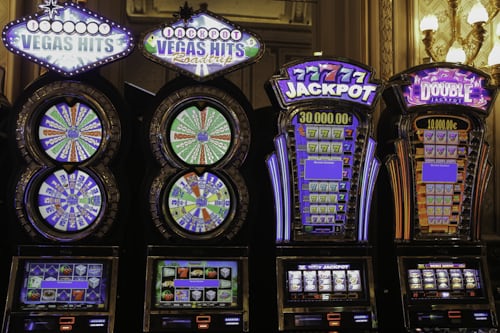
Another relevant psychological phenomenon is the concept of “near misses.” When players get close to winning—such as landing on symbols that almost form a winning combination—it creates a false sense of achievement and encourages further gambling. This phenomenon preys on the human tendency to focus on strengths rather than weaknesses, fueling the desire to keep playing in hopes of finally hitting that elusive jackpot. The near miss effect can lead to significant time and money spent, as individuals chase the feeling of being “so close” to winning.
Additionally, emotional states can serve as powerful triggers for gambling behavior. People often turn to gambling as a means of coping with stress, anxiety, or depression. In these moments, the potential for escapism becomes appealing. The excitement of gambling can provide a temporary distraction from life’s challenges, leading some individuals to engage in impulsive betting as a maladaptive coping mechanism. Understanding these triggers is essential for recognizing when gambling may become problematic, as they can lead to a cycle of emotional highs and lows that complicates the relationship with gambling.
The role of environment in gambling
The environment in which gambling takes place significantly impacts gambling behaviors and experiences. Casinos and other gambling establishments are designed to maximize excitement and engagement. Elements like lighting, sound, and the layout of gaming areas create an immersive experience that keeps players entertained for extended periods. The absence of clocks and windows in many casinos helps to distort players’ perception of time, encouraging longer gambling sessions and increased spending. This intentional design can lead individuals to lose track of time and money, further entrenching them in gambling activities.
Online gambling platforms further adapt this immersive experience by utilizing sophisticated graphics, gamification elements, and social networking features. These platforms often incorporate incentives such as bonuses, free spins, and loyalty rewards to keep users engaged and motivated. The convenience of online access allows individuals to gamble anytime and anywhere, making it easier for them to indulge in gambling behaviors without face-to-face interaction or geographical limitations. This accessibility can lead to an increase in gambling frequency and intensity, as players can gamble at their convenience.
Moreover, the presence of peers can influence gambling patterns. Social settings can reinforce competitive spirits, leading individuals to bet larger amounts to impress others or conform to group behaviors. The challenge of keeping up with friends or peers can drive individuals to take risks they might otherwise avoid in solitary gambling contexts. This social influence, combined with environmental stimuli, creates a potent mix that encourages sustained gambling behaviors. The interplay of social dynamics and environmental cues can significantly shape an individual’s gambling experience.
The impact of gambling addiction
Gambling addiction presents serious psychological and emotional consequences for individuals affected by it. The compulsion to gamble, despite negative repercussions, can lead to significant personal and financial distress. Individuals may experience anxiety, depression, and a decline in overall mental health due to their gambling habits. As the addiction deepens, their ability to make sound decisions diminishes, often resulting in reckless behavior that further compounds their problems. This deterioration of mental health can create a cycle where gambling becomes a means of coping with the very issues it exacerbates.

Familial and interpersonal relationships often suffer as well. The secrecy and shame associated with compulsive gambling can strain connections with loved ones. Trust issues may surface, and individuals might resort to deceit to hide their gambling activities, which can erode the foundation of relationships. Those close to the gambler may also experience emotional fallout, as they grapple with feelings of helplessness and frustration while witnessing the destructive cycle. Understanding the relational impact of gambling addiction is crucial for both the gambler and their loved ones in navigating recovery.
The impact of gambling addiction extends beyond individual circumstances; it can also affect communities and economies. The economic burden of gambling addiction can manifest in increased healthcare costs, lost productivity, and the strain on social services. This broader societal impact underscores the importance of understanding gambling behaviors and addressing the psychological aspects that contribute to excessive gambling. Prevention and treatment initiatives can help mitigate these effects, fostering a healthier environment for both individuals and society. Addressing gambling addiction requires a multifaceted approach that includes community support, education, and accessible treatment options.
Understanding gambling psychology through resources
To navigate the complexities of gambling psychology, various resources exist for individuals seeking understanding or support. Websites dedicated to mental health and addiction provide valuable information on the psychology of gambling, offering insights into behavioral patterns and signs of addiction. These resources often include articles, personal stories, and tools that can aid in recognizing problematic gambling behaviors, thus empowering individuals to make informed decisions regarding their gambling activities. Educational materials can help demystify gambling addiction and encourage healthier behaviors.
Support groups provide a sense of community for those struggling with gambling addiction. These groups, often facilitated by trained professionals or peers, create a safe space for individuals to share experiences, challenges, and strategies for recovery. Participating in such groups can foster a sense of belonging, helping members realize they are not alone in their struggles. This shared understanding can be a crucial step toward recovery and healthier gambling habits. The collective experience can be a powerful motivator for change.
Engaging with professional counseling or therapy can also prove beneficial for those grappling with gambling-related issues. Therapists specializing in addiction can implement cognitive-behavioral techniques to address the underlying psychological factors driving compulsive gambling. This individualized approach can empower individuals to develop healthier coping strategies and gain the skills necessary to manage their gambling behaviors effectively. Professional support can play a pivotal role in fostering long-term recovery and helping individuals rebuild their lives.